Origins
History and creation
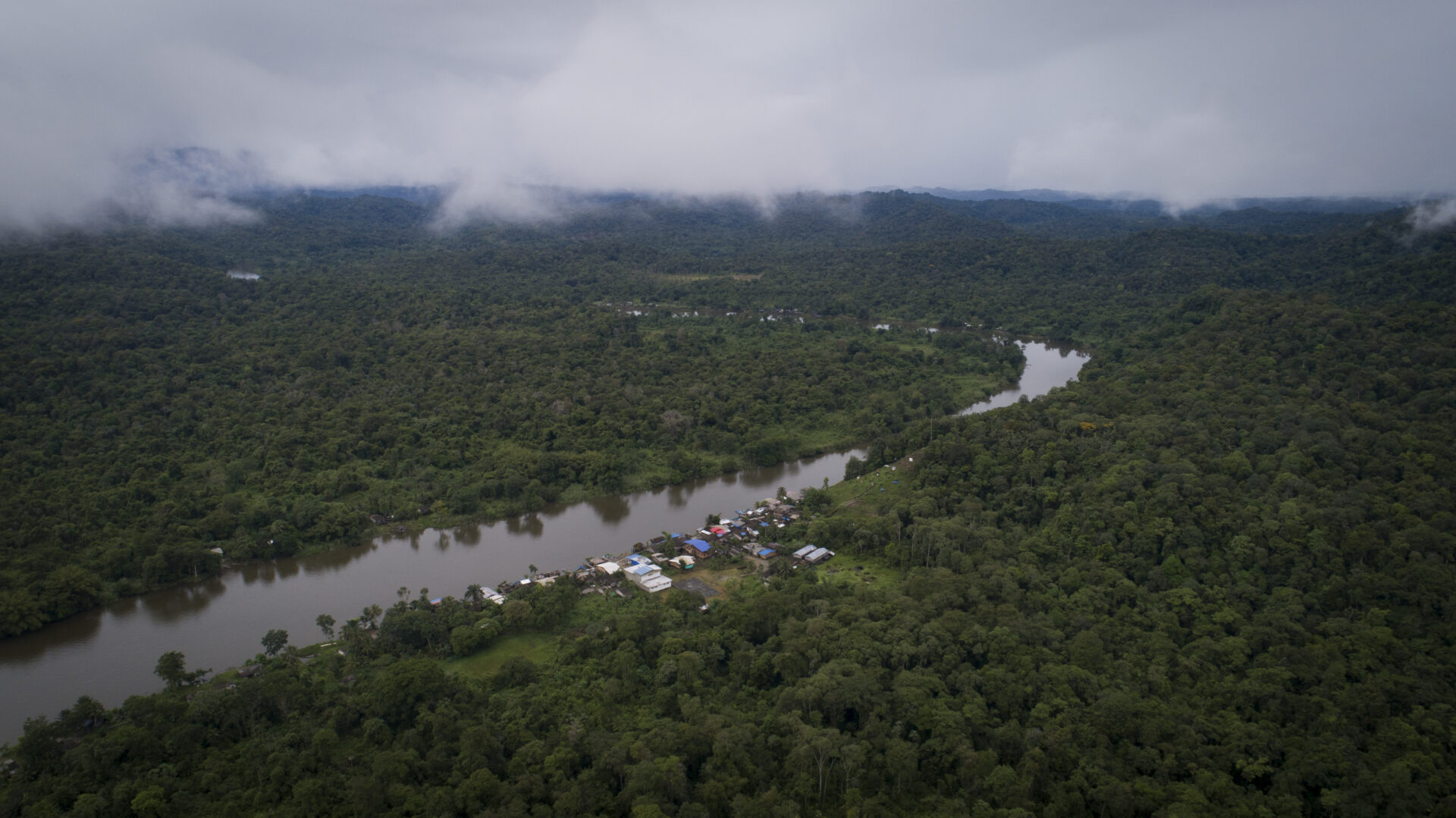
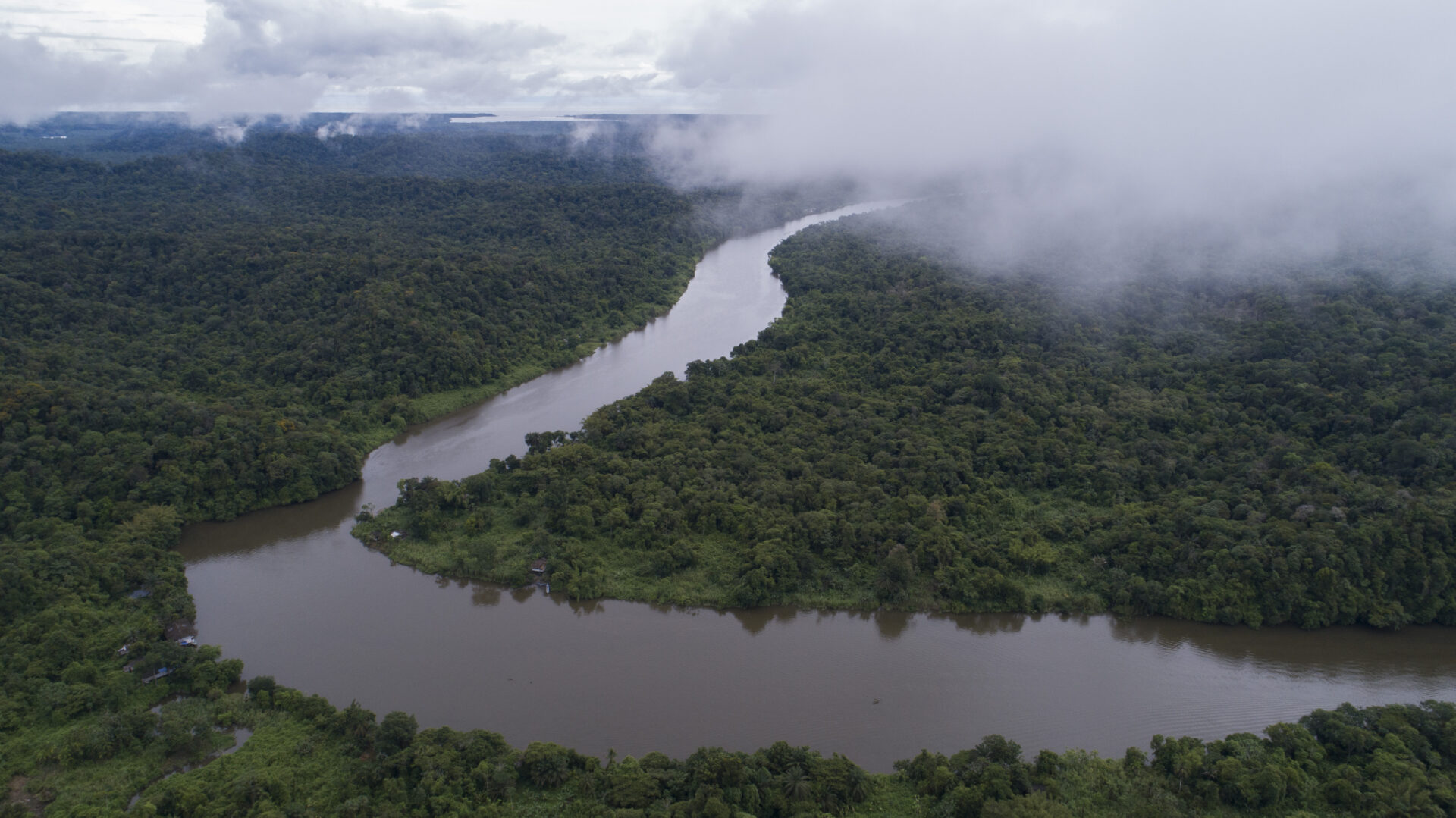
The Cajambre REDD+ project is rooted in the collective territory of the Consejo Comunitario del Río Cajambre, located in Colombia’s Pacific region – a landscape of extraordinary ecological value and cultural richness. The Afro-descendant communities who inhabit this territory have long exercised traditional forms of land stewardship, with a deep commitment to protecting their forests, rivers, and biodiversity. Long before REDD+ was introduced, the community had already initiated a grassroots conservation process, resisting illegal logging and resource exploitation while promoting sustainable land use practices. This legacy laid the groundwork for a more formal, structured conservation initiative.
The project officially became part of the REDD+ mechanism through a partnership with Fondo Acción, and with technical and financial support from programs like USAID’s Paramos y Bosques. This transition required a shift from informal, customary practices to internationally validated methodologies. Key tools such as the Theory of Change (ToC), Monitoring, Reporting, and Verification (MRV) systems, and a hybrid implementation model were introduced to guide adaptive management and align the project with the Verified Carbon Standard (VCS) and Climate, Community & Biodiversity (CCB) frameworks.
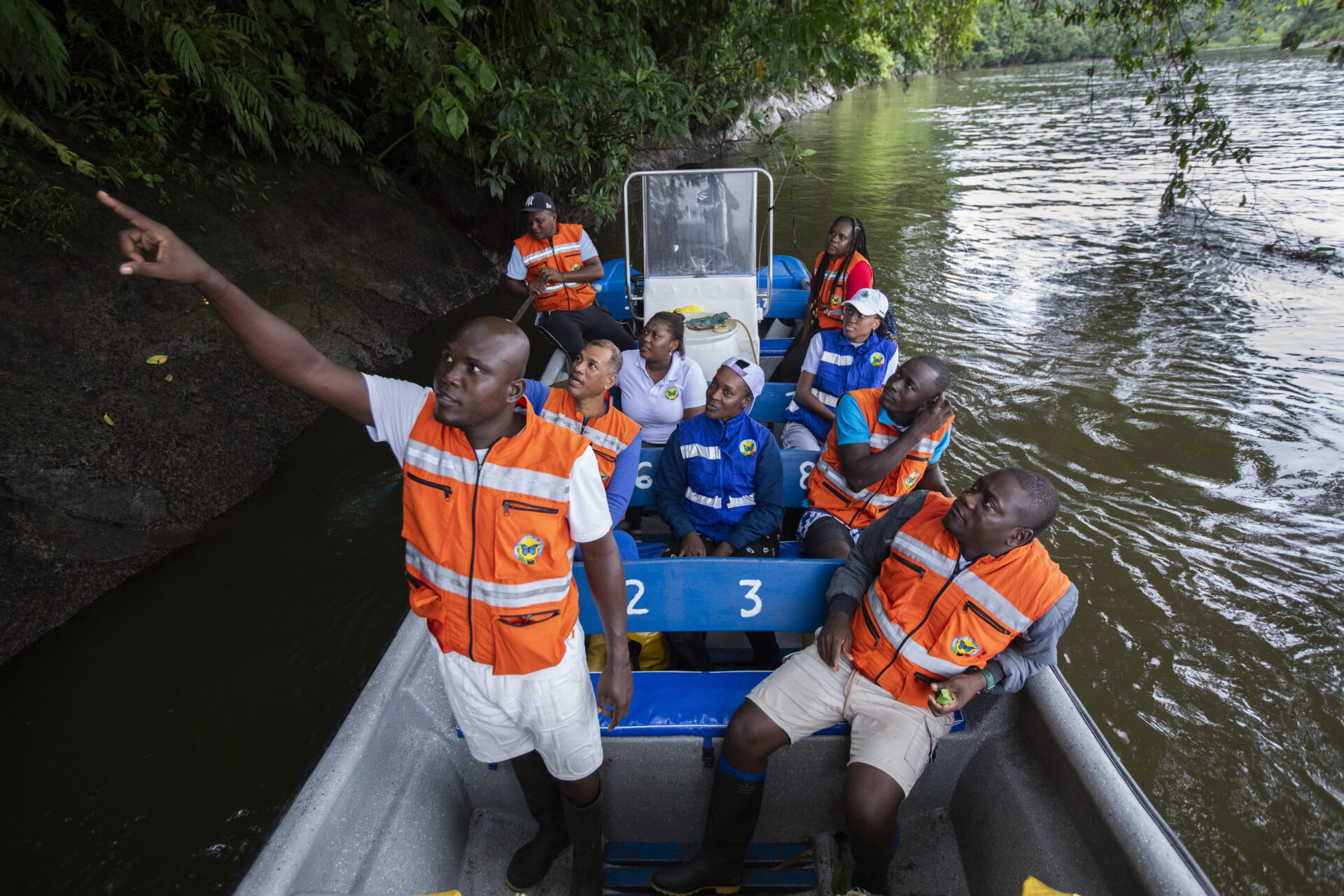
In its early stages, the project faced significant challenges. These included limited technical and administrative capacity, lack of experience with carbon markets, and skepticism within the community about external mechanisms. To overcome these barriers, the project invested heavily in capacity building – training local leaders, technicians, and administrative staff in financial management, forest monitoring, and participatory planning. Decision-making structures were strengthened through the General Assembly and Council Board, and communication spaces were created to ensure inclusive participation.
Through this iterative, learning-based approach, the community not only gained the skills needed for implementation, but also deepened its ownership of the project. Today, Cajambre represents a model of community-driven REDD+ where ancestral knowledge and institutional rigor coalesce to protect both forest and identity.
Timeline
-
2002
Collective Land Titling
The Consejo Comunitario del Río Cajambre obtained legal collective land titles under Law 70, securing rights over more than 84,000 ha of tropical forest.
-

2012
FPIC Process Initiated
Initial workshops and assemblies launched Free, Prior and Informed Consent (FPIC) processes to ensure transparency and alignment with local governance.
-
2013
REDD+ Design Finalized
The project design was completed through participatory processes, defining scope, activities, and safeguards in coordination with the Consejo Comunitario.
-
2014
Project Validation
The Cajambre REDD+ Project was validated under VCS and CCB standards, recognizing its climate, community, and biodiversity contributions.
-
2015
Monitoring System Deployed
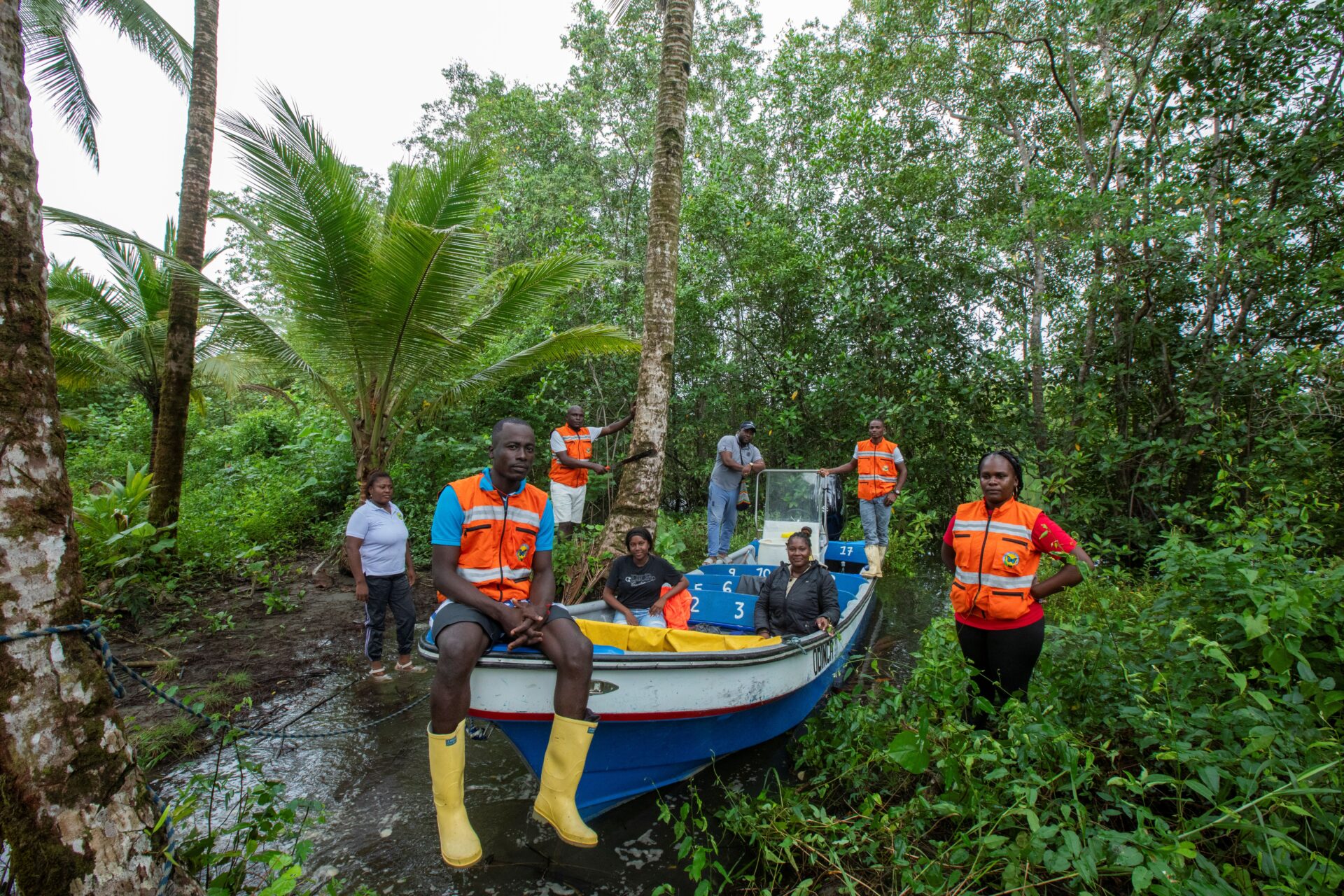
A participatory forest monitoring system was established using satellite imagery and local forest rangers to inform and guide project activities.
-
2018
First Verification Completed
Verified Carbon Units (VCUs) were issued for the 2013–2017 monitoring period, confirming emission reductions.
-
2019
Women in Governance Roles
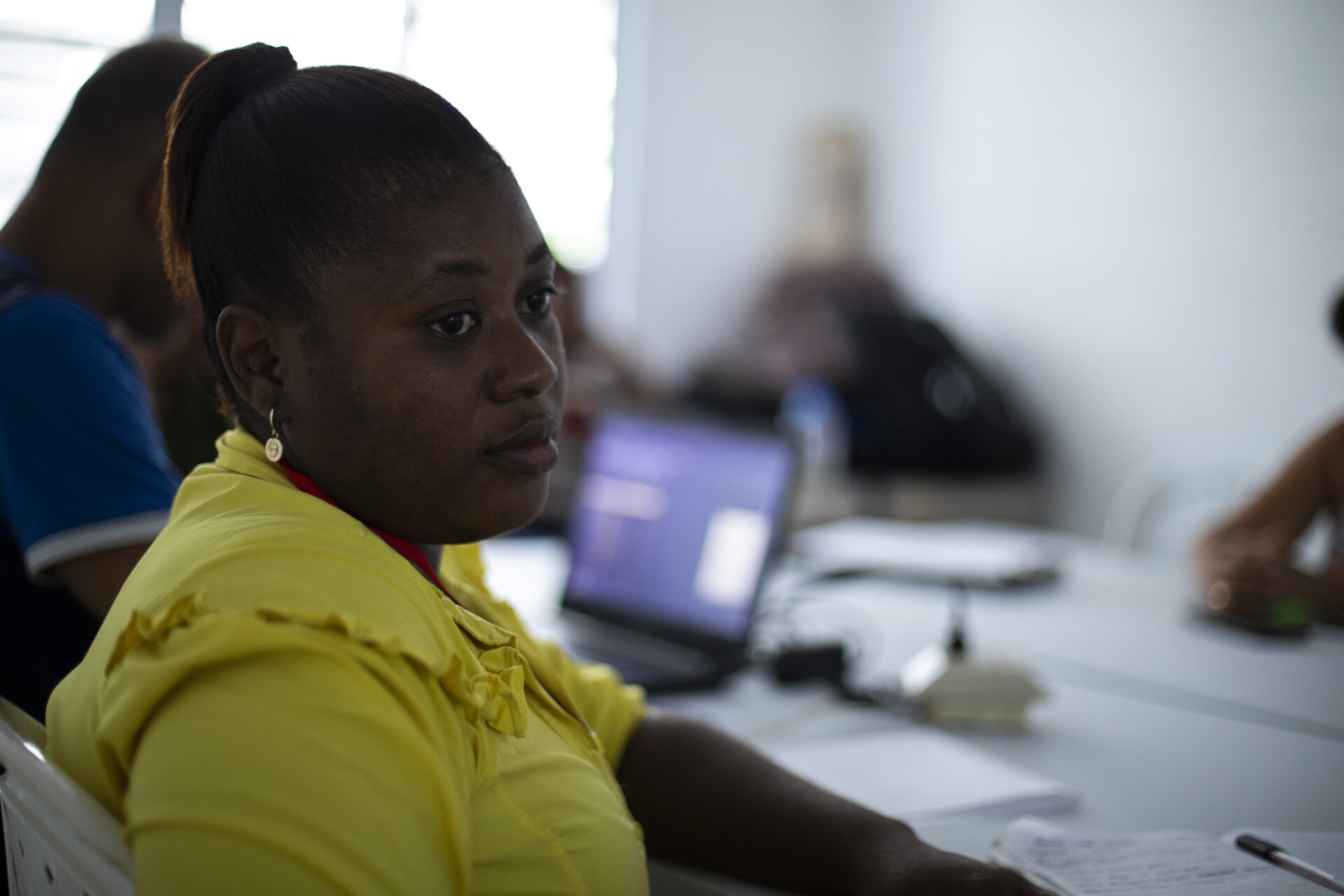
Women began to occupy leadership roles within the Consejo Comunitario and REDD+ implementation team, strengthening inclusive governance.
-
2020
Acai Value Chain Launched
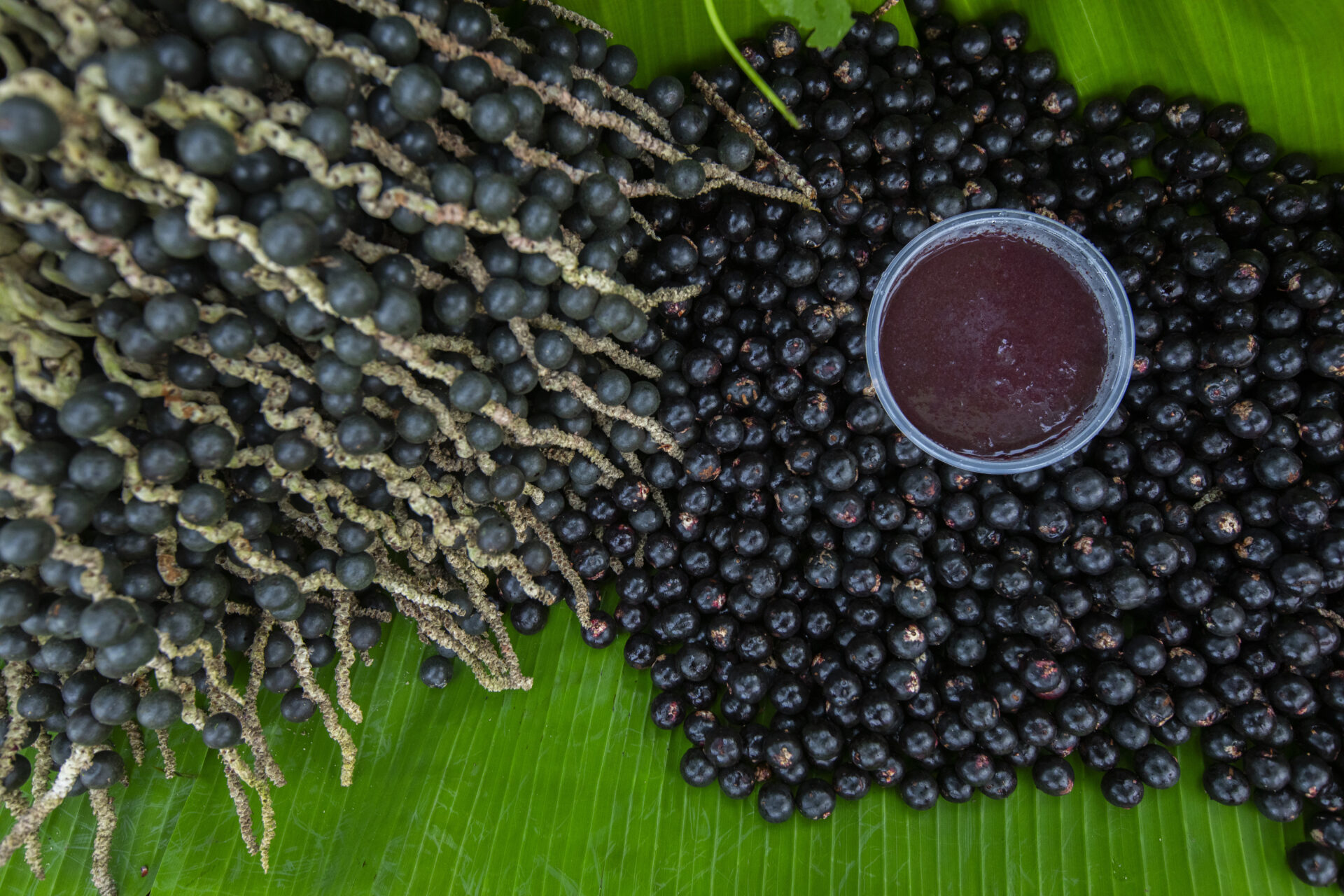
A community-led sustainable açaí harvesting and processing initiative was launched as part of the project’s nature-based economic alternatives.
-

2023
Second Verification Completed
The 2018–2019 monitoring period was successfully verified, confirming ongoing performance and reinforcing project credibility.
-
Ongoing 2020–2024
Strategic Technical and Administrative Training
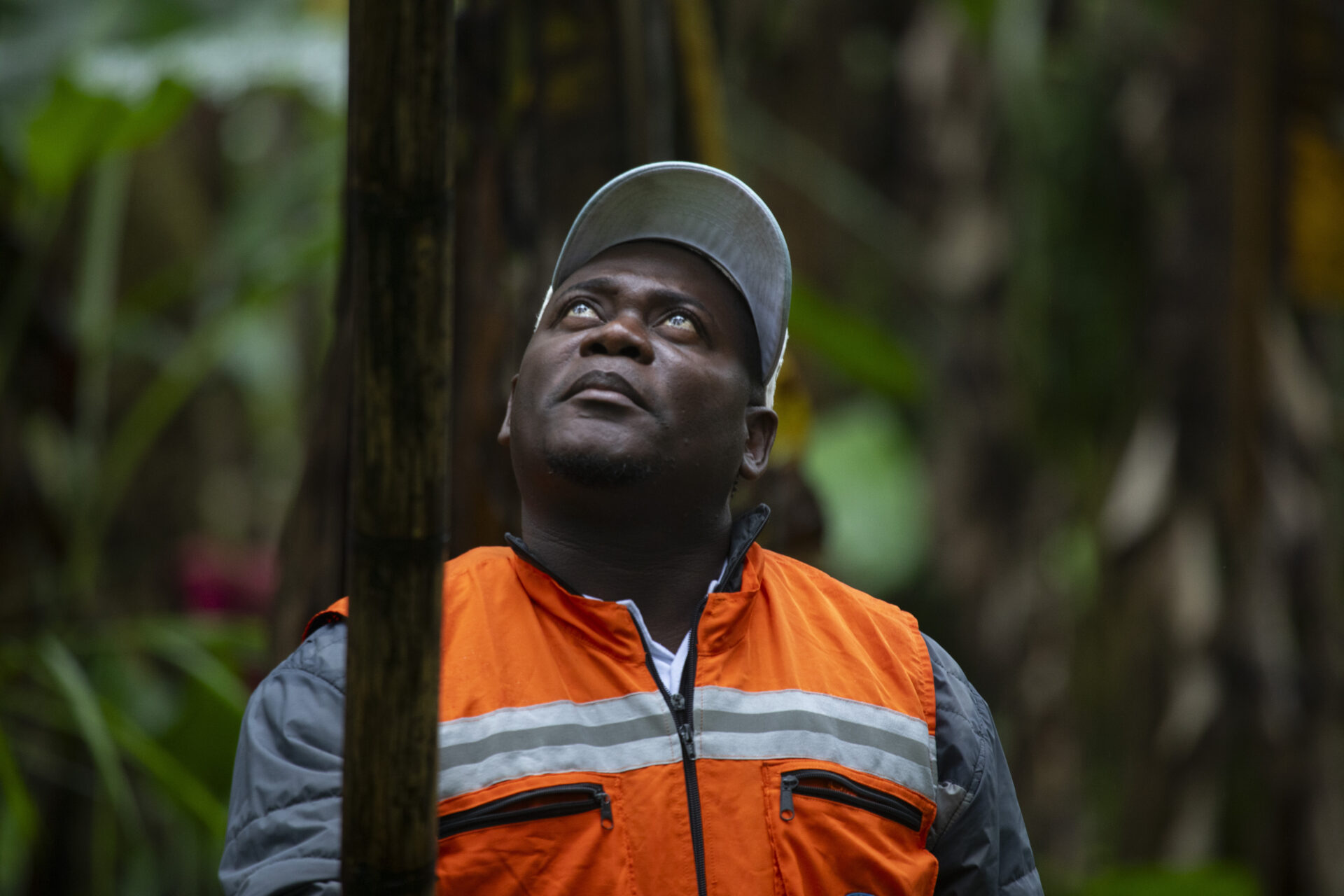
Local leaders and technical staff, including community social organizations and administrative personnel, underwent targeted training in financial management, contracting, and territorial planning. These sessions included participation in external workshops (e.g., in Bogotá and Cali), enhancing the team’s ability to manage complex aspects of REDD+ implementation.