Special story
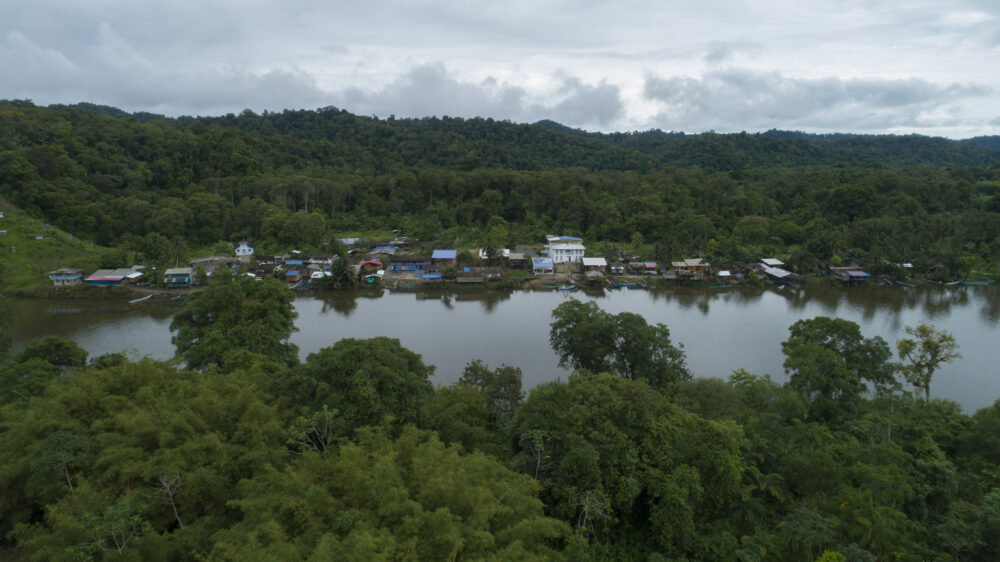
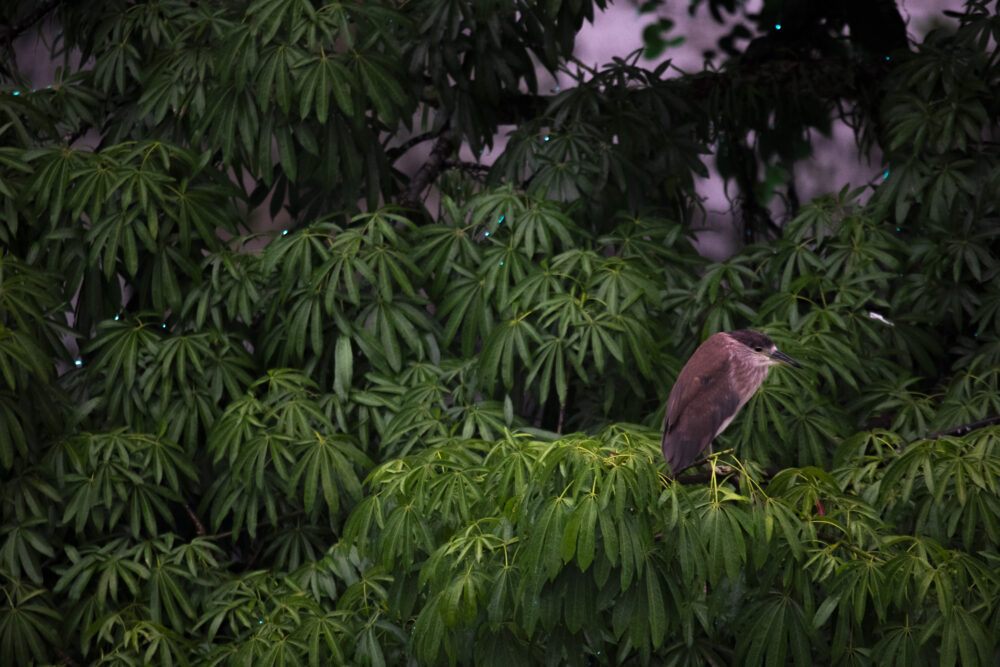
What makes the Cajambre REDD+ project truly special is its harmony between cultural legacy, natural wealth, and disciplined community-led management. Rooted in one of the most biodiverse and verdant corners of the Colombian Pacific, the project grows from a long-standing conservation effort that predates REDD+, nurtured by generations who have lived in balance with the forest, rivers, and coastline.
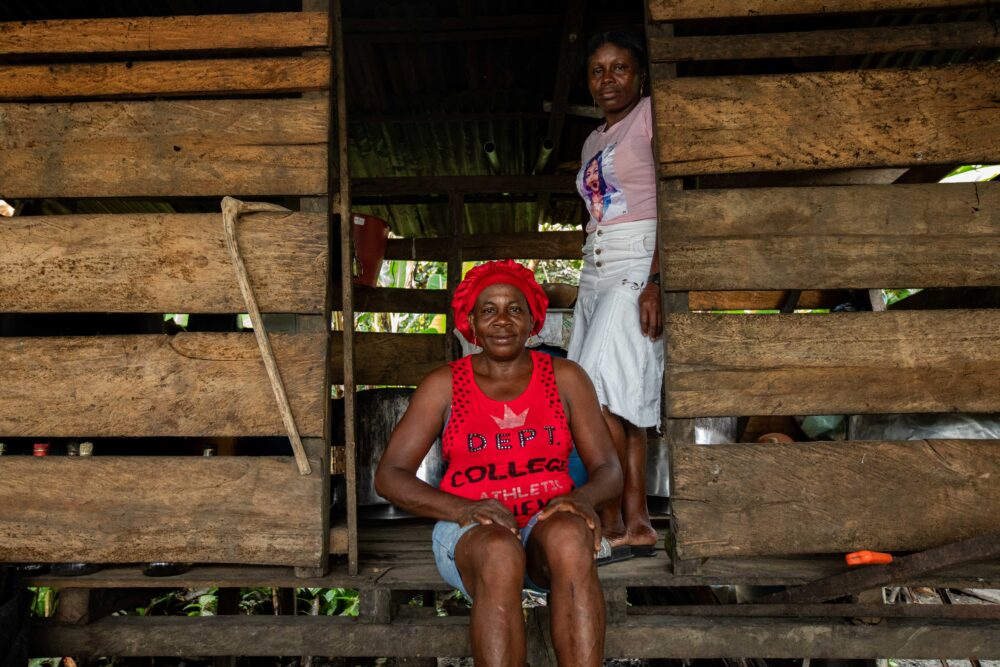
The Cajambre River Basin is home to Afro-Colombian communities organized under the Community Council of the Black Communities of the Cajambre River Basin (Consejo Comunitario de Comunidades Negras de la Cuenca del Río Cajambre). These communities hold collective land titles under Law 70 of 1993, which recognizes their ancestral rights to territory and self-governance. Within this framework, families and local councils manage forests, rivers, and coastal ecosystems while safeguarding cultural practices that are deeply tied to the land.
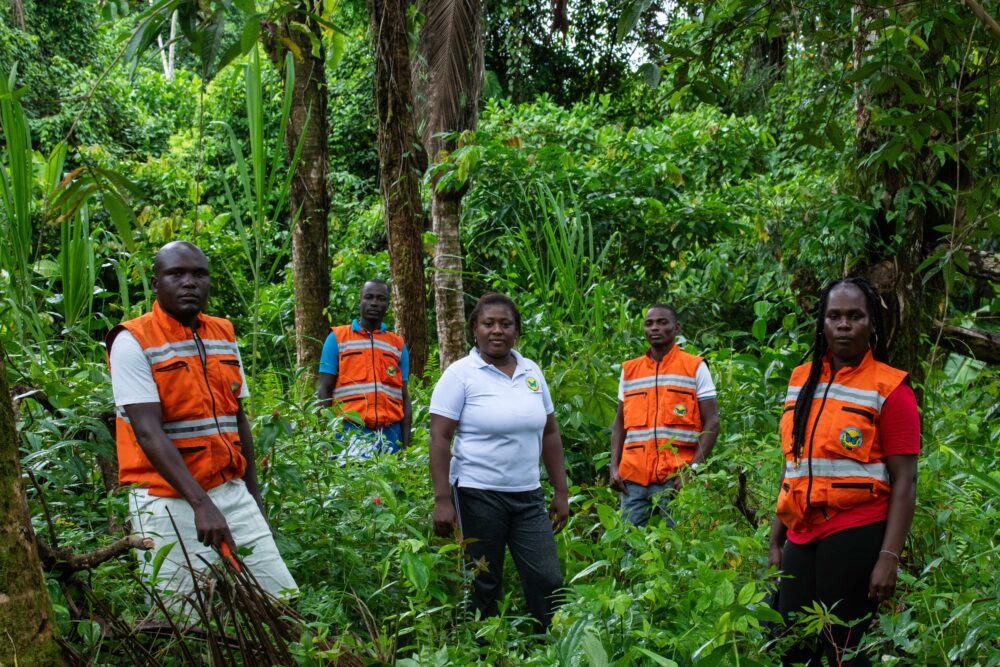
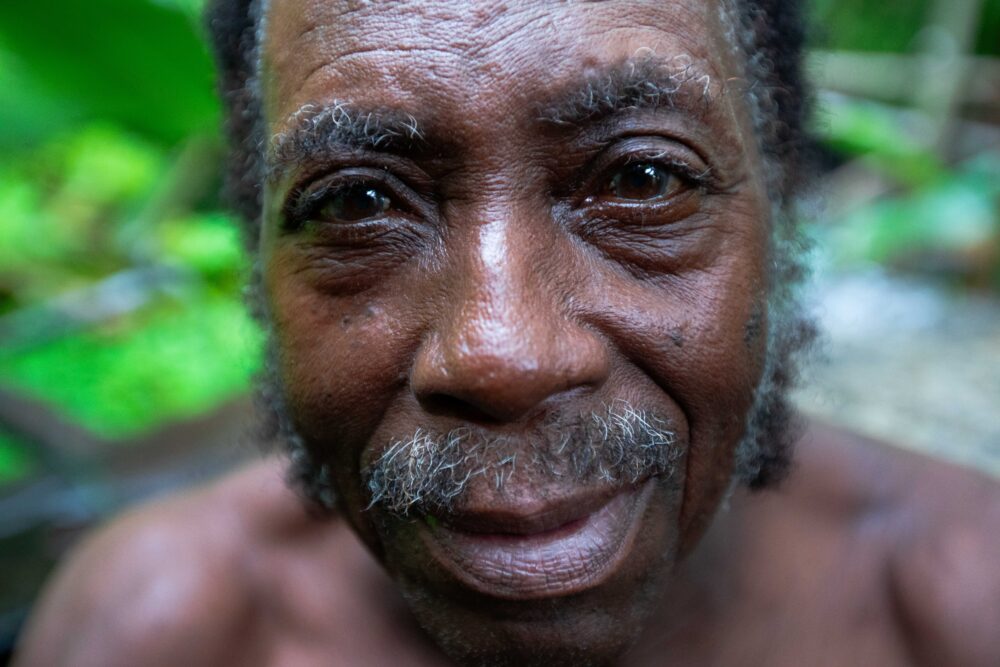
Cajambre’s soul lies in its people – leaders who honor tradition, celebrate identity through practices like viche-making, and carry the memory of those who defended the territory before them. This pride gives rise to a vision that is both poetic and practical: castles in the jungle not for vanity, but as strongholds of self-governance, planning, and learning.
REDD+ did not invent this process – it gave it shape. Through structured planning tools like the Theory of Change and a disciplined approach to needs-based implementation, the community has learned to weave together ancestral wisdom and institutional rigor. With support from partners like USAID, Cajambre now walks with both heart and method, identifying needs, designing solutions, and adjusting with intention.
Here, forest conservation is not a project – it is a way of life. The trees, the tides, and the traditions move together, just like the people who protect them.